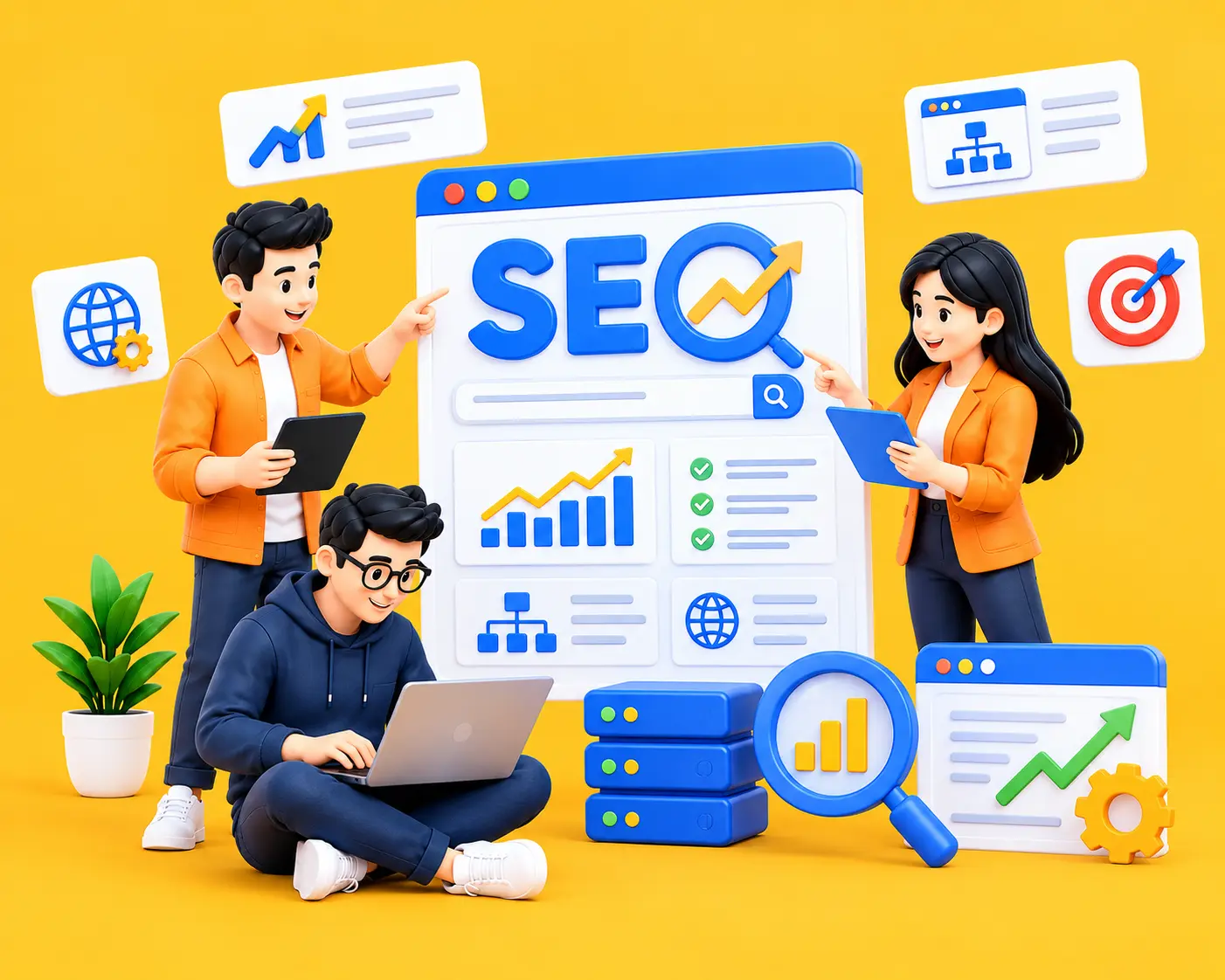


Hotel SEO is a crucial component of hotel online marketing. It can help hotels to increase their visibility on search engine results pages and attract more visitors to their websites.
There are several techniques that hoteliers can use to enhance their local SEO, including optimizing website content, refining website architecture, and establishing backlinks.
What is Hotel SEO?

Hotel SEO is the process of optimizing a website to improve its visibility and organic search traffic in Google and other global search engines.
The goal of hotel SEO is to make it easier for potential guests to find your website when they are searching for hotels online.
Hotel SEO can improve your website’s ranking on search engine results pages (SERPs), driving more website visitors and higher revenue.
What is Organic SEO And How Does it Work For Hotels?
Hotel SEO is the process of optimizing a hotel’s website to improve its ranking on search engine results pages (SERPs).
This can be achieved through on-page optimization tactics, such as keyword research and site structure, as well as off-page optimization methods, including link building and social media engagement.
While there are many aspects of Hotel SEO, the goal is always the same: to help your hotel website rank higher in SERPs and attract more visitors. This can lead to more bookings and, ultimately, increased revenue for your hotel.
Organic SEO is one of the most effective ways to enhance your hotel’s online visibility. Unlike paid advertising, organic SEO relies on optimizing your website using natural techniques like keyword research and link building.
How to Do SEO for Hotels in 2026?

On-Site SEO for Hotel
Hoteliers are continually seeking ways to enhance their online visibility and improve organic search engine rankings. One of the most effective ways to do this is through on-site SEO.
Hoteliers can improve their website’s ranking in search engine results pages (SERPs) by optimizing their web pages for relevant keywords and phrases.
There are some things hoteliers can do to optimize their websites for search, including:
Keyword Research for Hotel SEO

Hotels are among the most competitive industries in SEO. Because people often use the exact keywords to search for hotels, it can be difficult to rank higher than your competitors.
However, with a good keyword research strategy, you can find keywords that have low competition and high traffic potential.
One way to find good keywords is to use Google’s Keyword Planner Tool. This tool allows you to see how many people are searching for a particular keyword each month, as well as the level of competition for that keyword.
You can also utilize other tools, such as SEMrush and Ahrefs, to obtain more detailed information about a specific keyword, including its competition level and monthly search volume.
Once you’ve identified a few suitable keywords, ensure they’re incorporated into your website’s content and metadata.
Optimizing Page Headings for Hotel SEO

When creating a website, it is essential to utilize heading tags to optimize the site for search engines. Heading tags are used to identify the main topic of a web page and help search engines determine the page’s relevance to specific keywords or phrases.
The most important heading tag is <h1>, which should be used for the page title. The <h1> tag is also used as the title on search engine results pages (SERPs).
The other heading tags, such as <h2>, <h3>, etc., should be used to identify the main topics on the page. The keywords used in these headings should also be included in the page’s metadata and text. This will help improve the page’s ranking in search engine results pages.
Writing SEO Friendly Meta Tags for Hotel SEO

Meta Tags are used to control how a web page appears in search engine results pages (SERPs). They provide important information about a web page, such as the title, description, and keywords. By including the right meta tags on your pages, you can improve your SEO.
The most important meta tag for SEO is the title tag. The title tag is the text that appears in the browser tab and in the search engine results pages.
It should be concise and include your main keyword or phrase. The length of SEO-friendly meta titles is typically 55-60 characters.
The description meta tag is also important for SEO. The description should be around 155 characters long and describe the contents of your page. It should also include your main keyword or phrase.
The keywords meta tag is less important for SEO than the title and description tags, but it’s still worth including.
Url Structure for Hotel SEO

When creating a website, it is essential to consider SEO. One way to do this is by structuring your website URL in a way that is friendly to search engines.
This means using clean URLs without parameters or extra folders that could obscure the page’s main topic.
For example, your website URL should include the focus keyword and be clear, such as www.example.com/best-hotel-in-Delhi.
The website URL should not contain any question marks, underscores, or other special characters. The latter URL would include extraneous information that could confuse search engines and make it difficult for people to find your site.
This is one of the most important features of a website.
Using Relevant Keywords Througout The Content
SEO-optimized website content is essential for small business owners that want to increase their online visibility.
By creating well-written, keyword-rich content, business owners can enhance their website’s search engine ranking, leading to increased web traffic and potential customers.
Business owners can do a few things to optimize their website content for SEO. Firstly, they should ensure that all pages on their website are linked.
This will help Google crawl and index the site’s pages correctly. Secondly, they should use keywords throughout their website content, but not so often that it sounds unnatural or forced.
Finally, they should submit their website to Google and other major search engines so that it can be included in their search results pages.
Optimizing a Hotel's Website Images for SEO
When you upload a photo to your website, always include alternate text, also known as alt text. Alt text is the text that displays when an image can’t be loaded. Search engines also use it to help rank your images.
You should use relevant keywords in your alt text to help improve your search engine ranking. However, don’t stuff your alt text with keywords. Just include them naturally in the context of your sentence.
The best way to write effective alt text is to consider what the image is intended to convey. If you can accurately describe the photo in a few words, that’s all you need. Try to stay away from generic phrases like “image of a cat.
Writing SEO Optimized Blogs for Hotel SEO
Blogging is a great way to connect with an audience and share your thoughts on a topic. When done well, blogging can help you build an audience for your business, create content marketing assets, and even drive traffic to your website.
Here are some tips for creating successful blog posts:
- Start by identifying the topic you want to write about. Brainstorm a list of ideas, and then choose the one that you’re most interested in or that you think will be most helpful to your readers.
- Do some research before you start writing. Find out what other bloggers are saying about the topic, and look for data and statistics that can support your points.
- Plan out your post before you start writing. This will help ensure that your post is well-organized and easy to read.
- After writing the blog post, ensure you post it on the website, following all the SEO guidelines.
- As soon as you post the blog, contact some influencers in your industry to link back to your blog.
Optimizing Internal Links for Hotel SEO
Internal linking optimization is a process by which website owners make sure that the links on their pages lead to other relevant pages on their site. This is important because it helps keep users on the site longer and also improves the site’s search engine ranking. There are a few things website owners can do to optimize their internal links:
- Ensure that all your links are functioning properly and direct users to the intended pages.
- Establish an editorial policy for your site and ensure that all content adheres to it.
- Use anchor text when creating links, and make sure the keywords you’re targeting are included in the text.
- Place links where they will be most useful to users, such as in the navigation bar or in the body of articles.
- Monitor your link popularity and make changes as needed.
Improving Website Speed for Better Hotel SEO Results
Studies have shown that people expect a website to load in 2 seconds or less. If it takes longer, they will leave your site.
That is why it is important to optimize your website speed. There are many ways to do this, and some are easier than others. One of the simplest ways to improve your website speed is to compress your images.
This can be done with a program like Photoshop or a free online compression tool like TinyPNG.
Another way to improve your website speed is to use a caching plugin. A caching plugin will store a copy of your website’s pages and assets so that they don’t have to be downloaded each time someone visits your site. This can dramatically improve your page loading times.
Some popular caching plugins include WP Super Cache and W3 Total Cache.
Removing Less important Pages from Google Indexing
By default, a search engine includes all webpages it knows about in its index. However, you may not want some of those pages included because they are irrelevant or of poor quality. You can block these pages from being indexed by the search engine by using its robots exclusion protocol.
To exclude a page from indexing, add the robots exclusion directive to the page’s header. The directive looks like this:
<meta name=”robots” content=”noindex”>
The robots exclusion directive tells the search engine not to include the page in its index. You can use the directive to exclude individual pages or entire directories from indexing.
Schema Markup for Hotel SEO
Schema markup is used to annotate content so that machines can understand it. This markup enables search engines and other applications to extract specific information from web pages. Schema markup can be used on any web page, but it is particularly useful for hotel websites.
Hotel websites can utilize schema markup to specify the type of business, its location, room availability, and the amenities offered. This information can help search engines display relevant results to users searching for a hotel stay.
Schema markup can also be used to indicate the price of rooms and any special offers or discounts that are available. This helps potential guests make informed decisions about their hotel stay.
Local Business Schema Markup for Hotel SEO

Schema markup is an effective way to enhance your website’s visibility in search engine results pages (SERPs). Adding schema markup for hotels can help you stand out from the competition and attract more visitors.
There are several types of schema markup that you can use for hotels. The most basic type is the Local Business schema. This schema provides information about your business, including its name, address, and contact details.
You can also use the Hotel schema to provide additional information about your hotels, including their locations, star ratings, and amenities.
To add schema markup for hotels to your website, you first need to identify the required markup type. Then you can use a tool like Schema Creator to generate the code for you. Add the code to your website’s HTML code and you’re done!
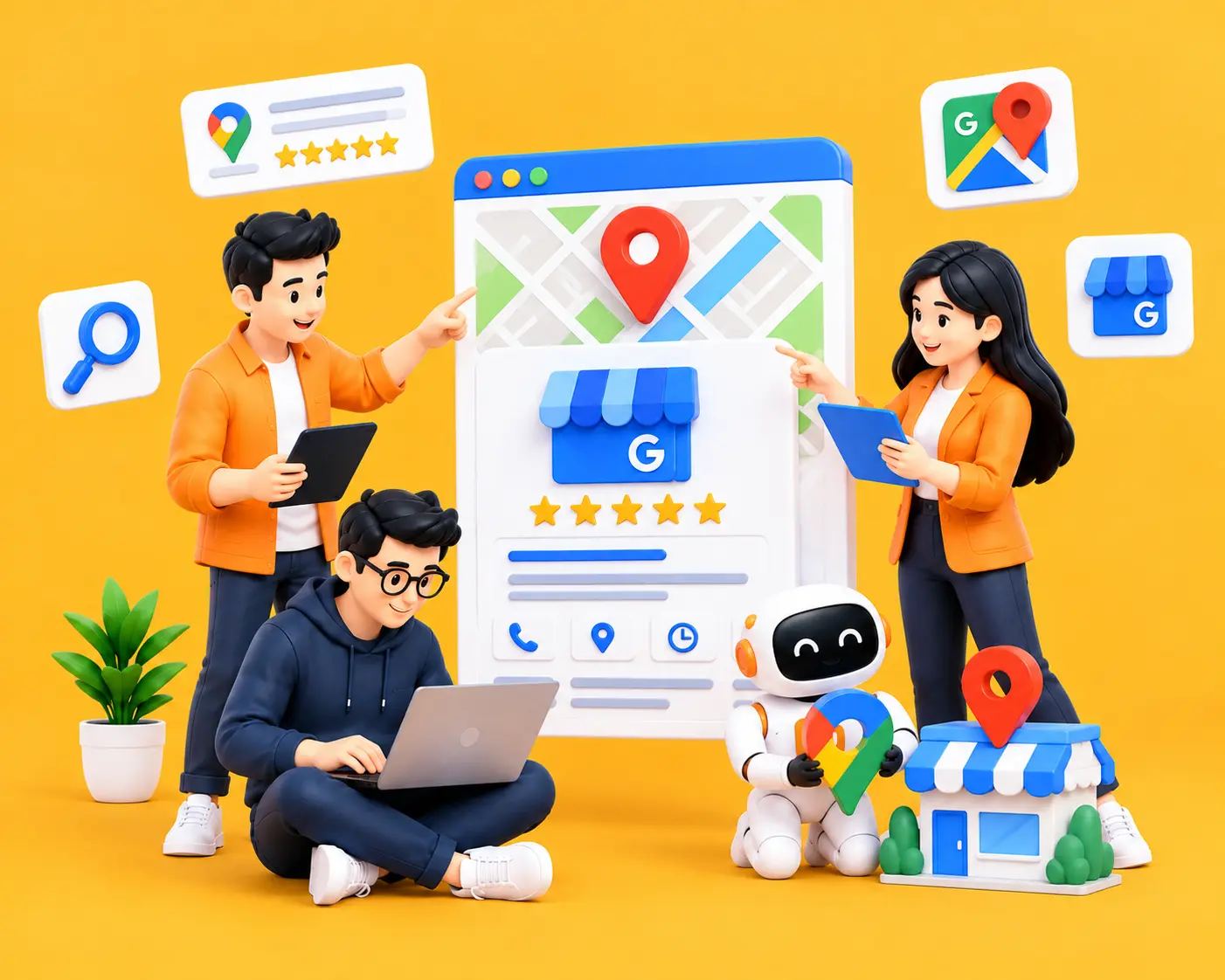
Setting Up Google MY Business Page for Hotel
Setting up your Google My Business page is important to help your business stand out online. It’s a free listing that allows you to control how your business appears on Google, including adding photos, hours, and contact information.
To get started, go to google.com/business and click Get Started. You’ll need to verify your ownership of the business by entering a verification code or by mailing a postcard.
Once you’ve verified your business, you can start creating your profile.
Include as much information as possible, such as the types of products or services you offer, what makes your business unique, and what hours you’re open.
You can also add photos to help customers learn more about your business. And be sure to include your website address and contact information so customers can easily find and reach you.

Link Building for Hotel SEO
Local Citation for Hotel SEO
A recent study found that earning local citations can significantly improve a hotel’s online visibility. The study, conducted by BrightLocal, examined the top 100 results for “hotels” in each of the 50 U.S. states.
The research found that, on average, hotels with more than 50 local citations rank higher in Google search results than those with fewer.
The benefits of earning local citations extend beyond improved search engine visibility; they can also enhance a hotel’s online reputation.
Local citations provide potential guests with information about your hotel and its amenities, helping them decide whether to book a stay.
They can also help boost your hotel’s ranking in other online directories and travel sites.
To build local citations for your hotel, start by identifying the most relevant directories for your business.
Manual Outreach Link Building for Hotels
There are two main types of link building: automatic and manual. Automatic link building is accomplished through software that identifies and submits links to websites. In contrast, manual link building involves manually finding potential linking partners and contacting them to request a link.
Manual outreach is often seen as more effective for building links, as it lets you target high-quality websites that are likely to be interested in linking to your content.
It can also help you build relationships with other bloggers and website owners, leading to future collaborations and partnerships.
There are a few things to keep in mind when doing manual outreach:
- Make sure your content is high quality and relevant to the website you’re targeting.
- Research the website owner’s interests and find a topic that would interest them.
- Make sure your website is well-optimized for search engines. This will help make your site more attractive to potential link partners.
- Create compelling content that will interest other website owners and bloggers. This will make them more likely to want to link to your site.
- Reach out to relevant websites and bloggers who would be interested in your content. Don’t spam irrelevant websites with requests for links.
- Be polite and courteous when reaching out to potential link partners.
Social Media Signals for Hotel SEO
Social media has become a crucial component of online marketing. It is a great way to connect with customers and promote your products or services.
Additionally, social media can be used to build links.
One way to use social media for link building is by creating a blog post that includes a link to your website. You can also include a link to your website on your Facebook and Twitter profiles.
You can also include links to your website in the bios of your LinkedIn profile and Google+ profile.
In addition, you can use social media to create links by posting comments on websites that have high rankings on Google. When you post a comment, include a link to your website.
Be sure to include keyword-rich anchor text in your links.
Guest Blogging for Link Building
Guest blogging is an effective way to enhance your online presence and drive more traffic to your website.
When you guest blog on someone else’s website, you can reach their audience, and you can also link back to your own website.
Guest blogging is also a great way to build relationships with other bloggers.
When you guest blog for someone, be sure to include links to their website and comment on their blog posts.
Broken Backlink Building
Link building is a crucial part of any SEO campaign, but it can be challenging to establish links when your website is new or has a low domain authority.
One way to build links is to find broken links on other websites and offer to fix them. This process is known as broken link building.
To identify broken links, you can utilize tools like Screaming Frog or Ahrefs. Once you’ve found some broken links, reach out to the webmaster and offer to fix them.
ou can either provide a link to your website or create an HTML file with the corrected link and send it to the webmaster.
If you’re successful with broken link building, you’ll not only gain links back to your website but also enhance its reputation and domain authority.
Resource Backlink Building
Resource backlink building is a crucial component of any effective SEO campaign. It can be difficult, however, to find good-quality resources to link to. Here are a few tips for finding quality resources:
- Look for resources that are relevant to your site’s topic.
- Ensure the resource is of high quality and contains accurate information.
- Check to see if the resource has been linked to by other reputable sites.
- Read the terms and conditions before using a resource as a link.
- Always use anchor text when linking to a resource.
Alert & Mention Backlinks
There are a few ways to be alerted when someone mentions you or your website online. One way is to set up Google Alerts.
You can do this by visiting google.com/alerts and entering the keywords you want to be alerted about.
Another way to be alerted is by using a backlink monitoring tool, such as Mention. Mention offers a free trial and has both a web app and a desktop app.
They will send you an email notification when someone links to your website or mentions you on social media.
Local Classified Backlinks
If you’re looking for an easy way to build links, consider local classified ads websites. SEOs often overlook these sites, but they can be a great source of links.
To get started, find a few local classified websites in your niche. Then, create a listing for your business. Be sure to include a link to your website.
In addition to posting your listing, you can also reach out to the site owners and ask them to add a link to your website. This can be a great way to get some high-quality links from authoritative websites.
How Much Does Hotel SEO Cost?
There is no single answer to this question, as hotel SEO services can vary significantly in price, depending on the website’s size and complexity, the number of targeted keywords, and the extent of the campaign.
However, a good rule of thumb is that SEO services will generally cost between $1,000 and $5,000 per month.
Some agencies may offer lower prices or package deals, while others may charge more for their services. It’s essential to carefully compare the offerings of different agencies before making a decision.
When considering the cost of hotel SEO, it’s essential to remember that the investment can be worthwhile in the long run.
A good SEO campaign can increase website traffic and revenue, leading to a higher ROI for your business.
Also Read: SEO Expert Role: What to Expect When You Hire a Specialist
How Much Time Does Hotel SEO Take in 2026?
Hotel SEO is one of the most important and effective ways to market your hotel. It can be a little confusing to know where to start, but with a bit of knowledge and some helpful tips, you can be on your way to improving your property’s online visibility.
One of the first steps is to determine the amount of work that needs to be done. Hotel SEO requires time and effort, so it’s essential to understand what’s involved before you begin.
Basic elements, such as keyword research and on-page optimization, are essential, but other factors also come into play, including link building and social media marketing.
It’s essential to have a clear plan of action before launching any SEO campaign, including understanding the associated costs. Hotel SEO services can vary in price, so it’s important to find one that fits within your budget.
Why RankON Technologies for Hotel SEO in India?
RankON Technologies is a trusted SEO agency in India. Our SEO packages are competitively priced, and we are dedicated to ensuring customer satisfaction. If you’re looking to enhance your hotel’s online presence, RankON Technologies is the ideal partner.