A carefully performed SEO Audit can unravel the loopholes in your website that you don’t know are there.
If you’re unsure about the bottlenecks that are hindering your website’s visibility and performance, then this comprehensive guide on SEO audit will help you narrow down your investigation and figure out the reasons behind the roadblock.
So, let’s get started now!

Why Does SEO Audit Matter?
With the advent of AI search results and the changing search landscape in 2025, even the brilliantly built and expertly optimized websites are struggling to secure a spot on the first pages of the SERPs.
Taking this into consideration, SEO will be even more competitive in 2026. For businesses, keeping pace with the changing landscape and maintaining their position requires a well-performing website; it’s not just beneficial but essential.
To ensure this, an SEO audit is generally the first step.
With SEO audit heavily impacting the performance metrics, you can expect nearly a 60% boost in traffic, 50% reduction in bounce rate, over 20% increase in average time spent, and 13% increase in ROI by just auditing your website and taking appropriate actions to resolve the issues discovered during a website audit.
At RankON Technologies, having handled over 500 SEO projects, we understand the importance of SEO audits and always strive to benefit our clients by performing thorough, exhaustive audits.
Our team of SEO experts believes an SEO audit is the foundation for delivering proven, goal-oriented SEO services to our clients.
When performing an SEO audit, we painstakingly identify all website SEO errors and then build a clear strategy to address each one.
This approach to SEO includes performing an SEO audit, which provides clarity and direction, making the overall SEO process highly rewarding.

SEO Audit Types and What’s Included in a Proper SEO Analysis Report
A comprehensive SEO audit addresses website issues in multiple ways. Let’s check out the different approaches to SEO audit and how they matter:
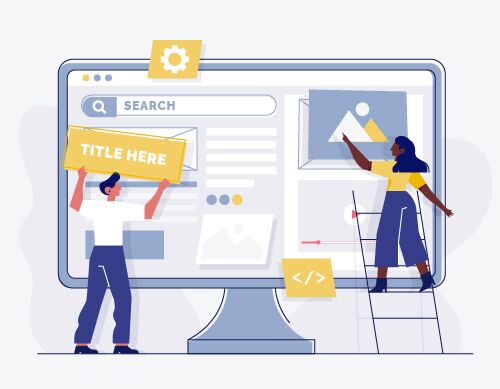
1: On-Page SEO Audit
Make every page clearer, stronger, and search-ready.
A. Keyword Targeting
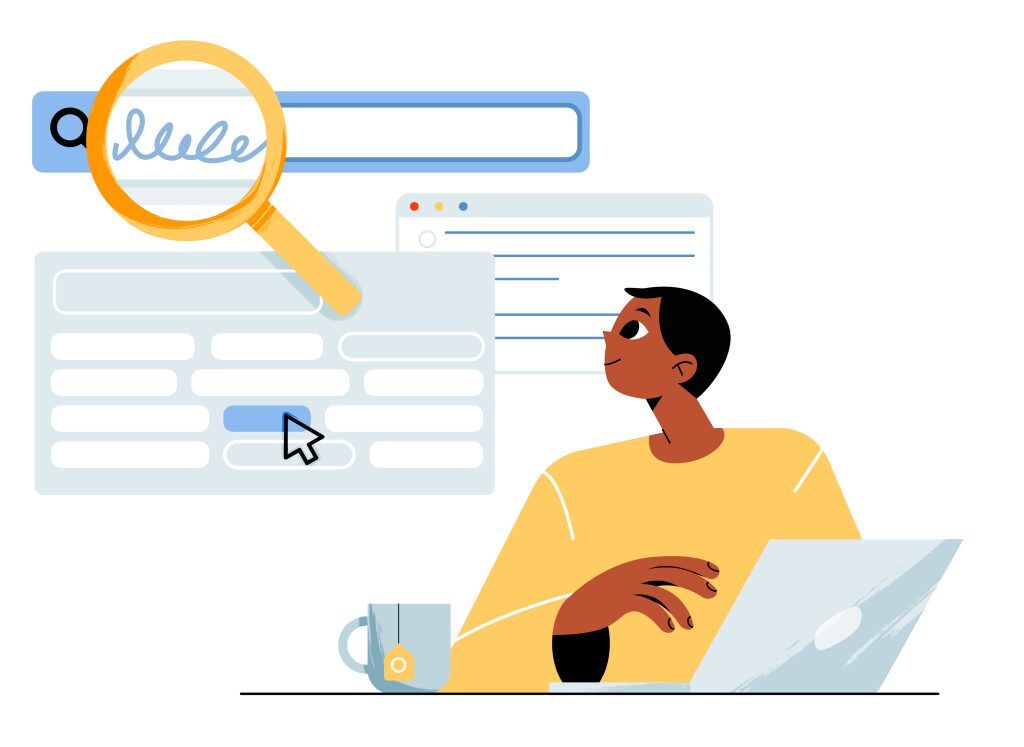
In SEO, keyword research is the cornerstone of the overall process. It precisely determines the phrases or words for which your website will be optimized.
After keyword research, keyword mapping is performed to ensure that every webpage on the site targets the keyword or keyword set it is meant for.
It is performed to ensure that every crucial page on the website has a clear purpose and is optimized for specific search intent.
Now, this was everything about keyword targeting. An On-page SEO audit is performed to figure out:
- Whether pages are targeting relevant, high-intent keywords they’re meant to be, and what netizens are actually looking for.
- Whether there are issues related to keyword cannibalization, where multiple pages compete for the exact search term, hurting overall rankings.
THE GOAL?
Overall, the goal of an On-page SEO audit against keyword targeting is that the content of all your website pages should connect with the audience searching for it.
Now, since search engines rank webpages instead of websites, every page must be aligned with a precise, relevant keyword or search intent; otherwise, you will notice a significant drop in visibility.
It shall also eliminate internal competition between your pages and create a more strategic site structure, helping you attract qualified visitors, improve engagement metrics, and generate leads and conversions with the same amount of content.
B. Meta Tags Review
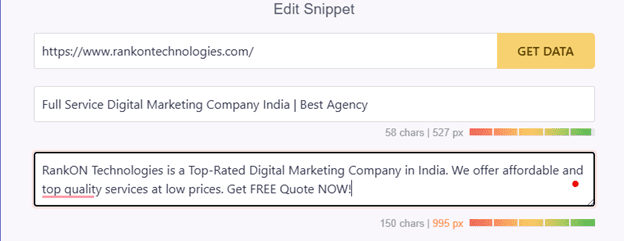
Meta tags determine how search engines understand your page and how users interact with your listing on the SERP. In addition, they provide a concise, compelling summary of your page and impact its click-through rates.
When performing an on-page SEO audit, reviewing meta tags can’t be ignored.
A systematic review identifies issues like missing or duplicate meta tags, incorrect keyword placement, over-optimization, or poorly written descriptions that fail to attract users.
A meta tag review evaluates elements such as page titles, meta descriptions, and header tags to confirm they are optimized, unique, and aligned with the target keyword.
The page title should clearly communicate what the page is about while encouraging clicks.
THE GOAL?
The goal of including meta tag review in the SEO audit is to ensure that the page is indexable, relevant, and clickable, and that it can promote higher engagement.

C. Content Quality and Relevance
As you must already be aware, content is the “KING” of SEO. Now, with that said, assessing content quality and relevance is an inseparable part of the on-page SEO audit.
During the SEO audit against content quality, the following things are observed:
- Is the content helpful? Because 700-word content with no solid information will not work
- Is the content thin? Because 100-word content won’t hit the mark
- Is the content authoritative? Because content written by an expert will perform better than content written by an inexpert.
- Is the content up-to-date? Because serving 2021 facts in the year 2026 won’t work
- Is the content comprehensive? Because covering every bit of information is essential.
- Is the content relevant? Because the content needs to align with the keyword’s intent.
- Is the content grammatically correct and plagiarism-free? Because error-free content is the key to SEO success.
THE GOAL?
The reason for painstakingly analyzing the website’s content is to improve user satisfaction, reduce bounce rates, replace duplicate content, and add value to the already ranking pages.
On fixing the errors, you can see a significant rise in your website’s authority and organic rankings.
D. URL Structure
URLs are often overlooked yet play a significant role in how search engines crawl and understand your website.
During an SEO audit, various issues related to URLs are observed, including whether it is:
- Short
- Readable
- Includes Keyword
- Doesn’t have unnecessary parameters
- Doesn’t have mixed-case formats
An SEO audit of URL issues also checks for URL consistency across the site, such as trailing slash mismatches, improper subfolder hierarchy, and more.
THE GOAL?
The reason for meticulously inspecting the site’s URL is that it ensures SEO-friendly site architecture, reduces duplicate content risks, and improves the overall experience, especially when it comes to external sources.

Internal Linking
Internal links are usually added with good intentions and then forgotten. Over time, pages get published, blogs pile up, and suddenly the site looks connected on the surface but isn’t, not in reality.
During an SEO audit, this is one of the first places where problems start showing up.
You will find some pages with far too many links, and others have none. In many cases, links are added just to “have a link there,” without considering whether they actually help the reader move forward or understand the topic better.
Another issue that comes up a lot is structure. When everything links to everything, nothing stands out. Important pages should naturally receive more internal links, while supporting content should guide users toward them.
If that hierarchy is missing, both users and search engines end up guessing what matters.
When internal linking is done correctly, it benefits both search engines and website visitors.
While visitors click more, spend longer on the site, and find relevant pages without hunting, search engines also crawl the site more smoothly, which helps the right pages gain visibility over time.
THE GOAL?
The goal of an SEO audit against internal linking isn’t to add more links. It’s to make sure every link has a reason to exist, so your site feels organized instead of cluttered, and essential pages don’t get buried.

Image Optimization
When it comes to content creation, images are usually the last thing, which is precisely why they cause problems later.
Large files, random file names, and missing alt text are common issues uncovered during an SEO audit.
Image optimization during an audit focuses on fixing these small but costly mistakes. This includes reducing file sizes, switching to more efficient formats, and ensuring image names and alt text accurately describe what’s on the screen.
It also checks how images behave across different devices, because what works on desktop often breaks on mobile.
Once images are correctly optimized, pages load faster and feel easier to use. Users scroll without frustration, and search engines have less trouble understanding what the page is showing.
THE GOAL?
The goal of the SEO audit against image optimization is simple: to make your site faster, cleaner, and easier to access, without sacrificing quality.

2. Technical SEO Audit
Identify and fix the technical barriers holding your rankings back.

Website Speed and Core Web Vitals
Improve the way people perceive your brand as well as your website.
When reviewing website performance, speed is usually where issues first appear. Pages may eventually load, but they don’t load cleanly.
Content appears late, layouts shift, and interactions feel delayed. All these factors affect visitors’ interest almost instantly.
During the Technical SEO Audit against the website speed and Core Web Vitals, it is observed that-
- What’s slowing the website’s speed?
- How quickly does the main content load? (LCP)
- How stable is the layout while loading? (CLS)
- How quickly does the site respond to user actions? (FID) and (INP)
- Are there any render-blocking scripts?
- Are there unoptimized images?
- Are there heavy CSS files?
- Are there slow server response times?
- Are there unused third-party scripts?
THE GOAL?
Once these issues are addressed, pages feel noticeably faster and more stable. Users don’t have to wait or re-adjust while the page loads, which often leads to more extended visits and better engagement.
From an SEO standpoint, performance improvements here usually support more substantial rankings and more reliable conversions over time. Learn how to create a website for better SEO results.

Crawlability and Indexation
One of the recurring problems we see during audits is that search engines aren’t accessing pages as site owners expect.
Some pages are crawled too often, others barely at all, and a few important ones don’t appear to be indexed consistently.
Through an SEO audit, aspects regarding crawlability and indexation are monitored, which includes:
- How do bots move through the sites?
- Are there any blocked paths, like broken internal links, or pages resting too deeply in the website?
- How many low-value pages are indexed unnecessarily?
- How many pages have noindex tags, canonical inconsistencies, multiple URL versions pointing to the duplicate content, and more?
THE GOAL?
By aligning crawl paths and tightening indexation, search engines can reach the pages that actually matter, resulting in cleaner visibility, fewer ranking fluctuations, consistent traffic, and more.

A. Mobile-Friendliness
With over 60% of traffic coming from mobile devices, mobile friendliness has become more critical than ever.
During the technical audit against your website’s mobile usability, the following factors are observed, including:
- Does it have a responsive design?
- Does it have touch-friendly buttons?
- Are there readable text sizes?
- Does the layout require people to zoom the screen?
- Are there any overlapping elements?
- Are there intrusive pop-ups that disrupt navigation?
THE GOAL?
From an SEO standpoint, mobile performance is critical, as search engines primarily evaluate the mobile version of a website.
Upon addressing the mobile usability, better engagements and lower bounce rates can be observed.

B. Site Architecture
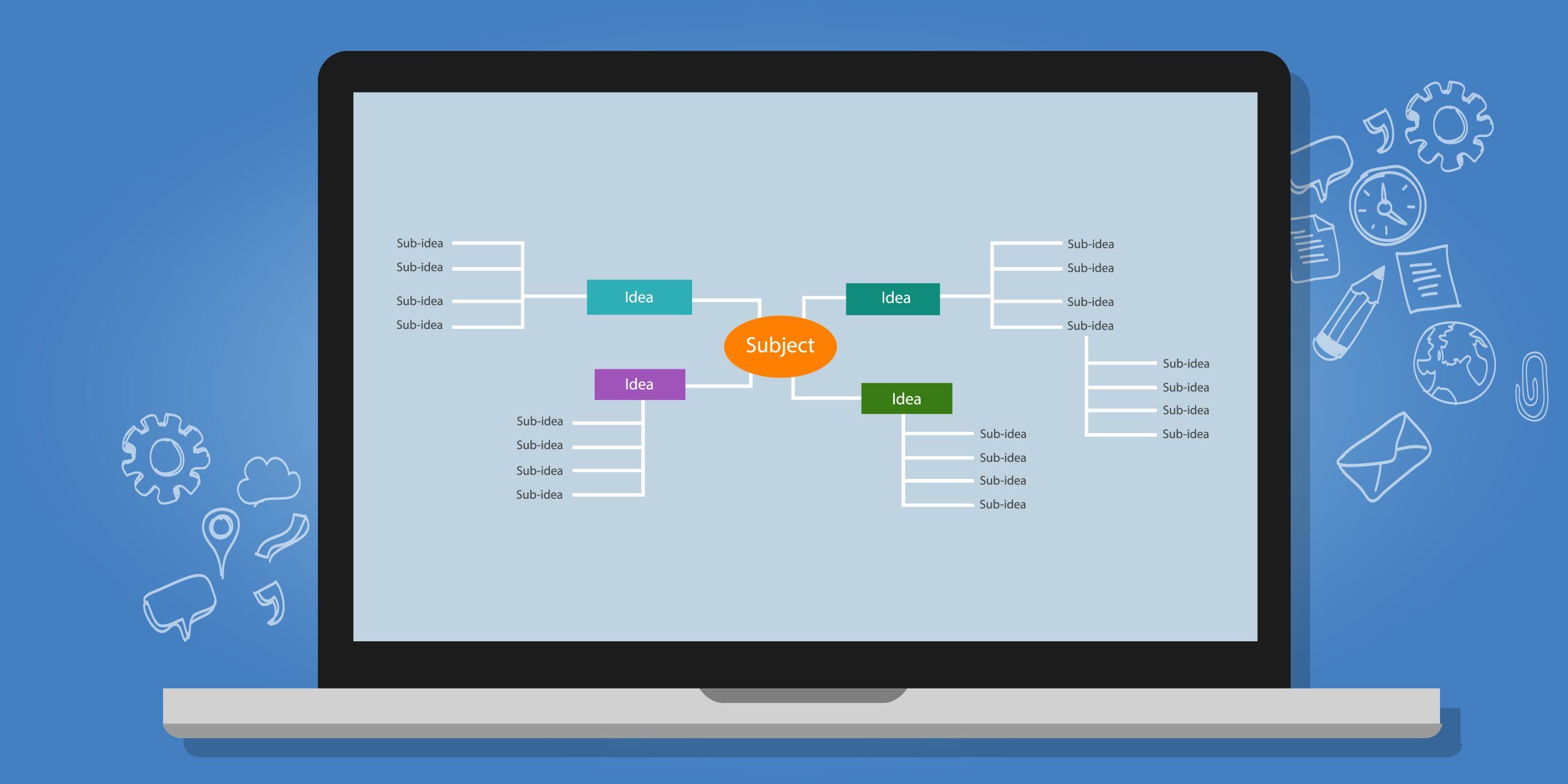
Site structure is analyzed to determine how pages are organized and how easily important pages can be accessed.
When site architecture is streamlined, search engines can better prioritize essential pages, and users can navigate the site more efficiently. This supports stronger engagement and more stable organic performance over time.
In an SEO audit, this element is examined to ensure your site is easy to navigate, crawlable, and strategically aligned with your content priorities.
THE GOAL?
With a well-planned website architecture, you can improve crawl efficiency, strengthen topical relevance, and distribute page authority more effectively across the site.
Know that when users and search engines easily understand the site’s structure, it can result in higher visibility, better user engagement, and stronger overall SEO performance.
C. Technical Errors
Many technical errors on the website can prevent search engines from crawling, indexing, or rendering pages.
During an SEO audit, these errors are identified and prioritized because even high-quality content can underperform when technical issues are present.
Some of the technical errors that can be figured out on performing the site’s technical audit include:
- Broken links (404 errors): Pages that no longer exist or have incorrect URLs.
- Redirect issues: Chains or loops that slow down crawlers and confuse users.
- Server errors (5xx): Times when the server fails to respond, making pages inaccessible.
- Duplicate content or canonical problems: Pages that confuse search engines about which version to index.
- Incorrect or missing sitemap and robots.txt configurations: Blocking essential pages from being crawled.
THE GOAL?
By addressing technical issues identified during a technical audit, search engines can efficiently crawl and index your website, improve the user experience, and prevent loss of ranking potential.
D. Schema Markup Review
Schema markup review is the process of evaluating whether your website uses structured data correctly to help search engines better understand your content.
During an SEO audit, issues related to Schema Markup are studied as they provide the context about your pages, such as products, articles, reviews, events, or local business information, enabling search engines to display rich results in SERPs.
During an SEO audit, the following loopholes are assessed:
- If the right schema types are used.
- If there are errors, warnings, or missing properties that may prevent rich results from appearing.
- If additional schema types are needed to enhance visibility (e.g., FAQ, How-to, Breadcrumb, and more)
THE GOAL?
By proper schema markup implementation after an SEO audit, you can increase the likelihood of rich snippets, boost click-through rates, and enhance the overall authority and presentation of your website in search results.

E. Security and HTTPS
Websites that are secure and have proper security measures in place are considered safe by search engines.
During an SEO audit, the security of your site is reviewed to ensure it meets security standards and avoids issues that could harm rankings or user trust.
Here’s what’s checked during the SEO audit from a security POV:
- SSL certificate: Ensuring your site uses HTTPS instead of HTTP, which encrypts data between the server and users.
- Mixed content issues: Pages should not load insecure elements (like images or scripts) over HTTP on an HTTPS page.
- Expired or misconfigured certificates: These can trigger browser warnings and reduce credibility.
- General security practices: Protection against malware, hacking, or vulnerabilities that could lead to penalties.
THE GOAL?
Through a website audit, all security measures on the website are thoroughly addressed to build user trust, prevent penalties, and maintain long-term site credibility.
3. Website UI and UX Audit
Identify UX gaps that impact engagement and conversions

A. Design Quality
The design is a truly indispensable element for a user-friendly, responsive website. During an SEO audit, the website’s design is evaluated to determine whether it looks modern, professional, and visually consistent.
Here’s what is observed during an SEO audit of the website:
- Visual consistency: Use of consistent colors, fonts, and branding elements throughout the site.
- Layout and spacing: Clear structure that guides the eye, avoids clutter, and highlights key content or CTAs.
- Readability: Proper font sizes, line spacing, and contrast to make content easy to consume.
- Responsiveness: Design elements should adjust smoothly across different devices and screen sizes.
THE GOAL?
Through website SEO audit, the objective is to enhance user trust and engagement. In addition, it also leads users to stay longer, navigate deeper in the website, and make well-informed decisions.

B. Navigation Experience
When it comes to website SEO audit, navigation determines the website’s usability and engagement. The following aspects related to navigation are assessed during the website’s SEO audit:
- Menu clarity: Menus are assessed for their intuitiveness, organization, and labelling for better user understanding.
- Breadcrumbs: The presence of breadcrumbs on the website allows users to understand where they are in the site’s overall hierarchy.
- Internal linking: Strategic links guide users to related content and essential pages.
THE GOAL?
By addressing the above navigation factors after the website audit, you ensure users stay engaged, bounce rates are reduced, and search engines crawl your site efficiently. Overall, it helps to boost satisfaction, conversions, and overall SEO performance.

C. User Journey and Conversion Path

User journey and conversion path refer to the way visitors interact with your website from the moment they land on a page to the point they take a desired action, such as making a purchase, filling a form, or subscribing.
In an SEO audit, this area is assessed to ensure that the site guides users naturally and efficiently toward conversions.
Here are the factors evaluated during the SEO audit to provide a seamless user journey and streamline a conversion path:
- Call-to-Action (CTA) placement: These buttons and links should be visible, compelling, and contextually relevant.
- Form usability: Forms should be simple, mobile-friendly, and easy to complete in less time.
- Content flow: The content on the pages should motivate users to take action. Learn how to optimize your content for AI friendliness.
- Checkout or lead flow friction: Any obstacles that slow down or confuse users are identified and fixed.
THE GOAL?
Since engagement is critical to any website’s success, it is essential to implement actions that positively impact users’ overall journey and increase leads and conversions.
D. Accessibility Standards
In this day and age, when almost every big or small business has a website, what sets you apart is ensuring accessibility for people with disabilities.
This shows that you have considered everyone, regardless of their disabilities, to benefit from your website.
During the SEO audit, the following accessibility standards are evaluated:
- Contrast ratio: Text and background colors should be easy to read for users with visual impairments.
- Screen reader compatibility: Pages should be structured so that screen readers can correctly interpret headings, links, and images.
- Keyboard navigation: Elements should be accessible without a mouse
- Alt text for images: Descriptive text helps visually impaired users understand visual content.
THE GOAL?
By implementing strong accessibility features, the goal is to improve the user experience, expand the audience base, and comply with legal requirements.

4. Blog Audit
Turn underperforming blogs into traffic-driving assets

A. Content Depth
Content that’s not in-depth or has gaps, or simply doesn’t offer value to users, may not outperform. That’s why content depth is one of the significant criteria of the overall SEO content audit.
During the SEO content audit, the following factors regarding content depth are observed:
- Topic coverage: Does the content address all relevant subtopics and common user questions?
- Detail and specificity: Are explanations, examples, and data included to provide real value?
- Multimedia support: Are there enough images, videos, charts, or infographics to enhance understanding?
- Internal linking: Are there links to related articles or pillar pages to strengthen topical authority?
THE GOAL?
By identifying gaps in the site’s content depth and taking appropriate steps to enhance detail, the bounce rate can be significantly reduced.
Also, remember that the more complete and valuable your content is, the better it performs in search engines and with readers.

B. Content Gaps
Content gaps are areas where your website is missing valuable information or topics that your audience is searching for.
When performing an SEO audit, identifying content gaps can reveal opportunities to create new pages, expand existing articles, or better address user intent.
Here’s what sort of content gaps can be identified when performing an SEO content audit:
- Uncovered topics: Questions or subtopics your competitors are ranking for but you aren’t.
- Keyword opportunities: High-volume or relevant keywords that your content does not target.
- Format gaps: Missing content types such as videos, infographics, FAQs, or guides.
- Audience needs: Information your visitors expect but cannot find on your site.
THE GOAL?
By filling content gaps, a website’s relevance, topical authority, and organic traffic can be significantly improved.
In addition, you can work toward outranking competitors and providing a better experience for visitors.

C. Content Structure
Content structure determines how your website’s content is organized and presented, making it easy for both users and search engines to understand.
During a content or blog audit, this aspect is evaluated to ensure clarity, readability, and SEO effectiveness.
Here’s what was observed during an SEO audit to understand the content structure:
- Headings (H1–H6): Ensuring a proper heading hierarchy to ensure the righteousness of structure.
- Paragraphs and formatting: Short, scannable paragraphs with bullet points, numbered lists, and emphasis where needed.
- Visual elements: Images, tables, charts, and videos to support the text and enhance comprehension.
- Internal linking: Strategic links to related content or pillar pages to guide users and strengthen topical authority.
- Content hierarchy: Clear flow from general to specific information, making it easy for readers to follow.
THE GOAL?
With proper content organization, there can be a significant boost in website rankings, higher organic traffic, and a lower bounce rate.
D. Internal Link Distribution
Internal link distribution refers to how links are spread across your website to connect pages, guide users, and pass SEO authority effectively.
With a website’s SEO content audit, the following factors are addressed:
- Strategic linking to pillar pages: Ensures core pages get authority from related cluster content.
- Avoiding orphan pages: Every vital page should be linked from somewhere on the site.
- Anchor text optimization: Descriptive and relevant anchor text helps search engines understand page context.
- Balanced link distribution: Prevents some pages from being overlinked while others are neglected.
THE GOAL?
With proper internal link distribution, better crawlability, and strengthened topical authority, the content’s discoverability improves.
E. Content Performance
Content performance measures how well your website’s pages or blog posts achieve their intended goals, such as attracting traffic, engaging users, or driving conversions.
During a SEO content audit, the following factors are reviewed to understand how the content is performing:
- Organic traffic: Which pages attract the most visitors from search engines?
- Keyword rankings: How content performs for target keywords and related search terms.
- User engagement metrics: Bounce rate, average session duration, and pages per session.
- Conversions and goals: Leads generated, form submissions, or sales attributed to specific content.
- Content freshness: Identifying outdated content that may need updating or repurposing.
THE GOAL?
By properly evaluating content-related errors, the website’s SEO and ROI can be improved. In addition, you can ensure your website meets user needs while strengthening its authority and visibility in search results.

5. Competitor Audit
Uncover what your competitors are doing right, and do it better.
A. Competitor Identification
Through an SEO competitor audit, you can identify which businesses or websites are directly competing with you in search results.
In an SEO audit, this helps competitors uncover opportunities, benchmark performance, and inform your SEO strategy.
Here’s what all can be explored during competitor identification:
- Direct competitors: Businesses that offer the same products or services.
- SERP competitors: Websites that consistently rank for your target keywords, even if they aren’t direct business rivals.
- Niche and local competitors: Identifying specialized or geographically-focused competitors that may impact your search visibility.
THE GOAL?
With accurate competitor identification, you can perform meaningful keyword and content gap analysis, understand competitor strengths and weaknesses, and develop a strategic plan to outrank them in search results.
It’s the foundation for all subsequent competitor-focused audits.
B. Keyword Gap Analysis
Keyword gap analysis can help you identify growth opportunities that your competitors have already identified.
During an SEO audit, this analysis helps pinpoint which keywords your competitors rank for that you do not, as well as areas where you can improve existing content.
The key elements of keyword gap analysis include:
- Missed opportunities: High-value keywords your site doesn’t currently target but competitors do.
- Ranking improvement potential: Keywords where you rank low but could realistically move higher with optimization.
- Content alignment: Identifying topics that competitors cover better or more comprehensively.
- Search intent analysis: Understanding whether gaps exist in targeting informational, transactional, or navigational queries.
THE GOAL?
With a proper keyword gap assessment, you can modify your content strategy, attract qualified traffic, and help your website get a substantial presence in search results.
C. UX and On-Page Comparison
UX and on-page comparisons help you evaluate how your website looks compared to your competitors.
Through an SEO audit on UX and On-Page, you can find answers to the following questions:
- How intuitive and easy-to-navigate is your site?
- How is the readability, structure, use of headings, and multimedia compared to competitors?
- How are the titles, meta descriptions, URL structure, and keyword placement of your website in comparison to competitors?
THE GOAL?
By comparing these factors, you can ensure a better experience and stronger optimization, making enough opportunities to enhance rankings, engagement, and conversions.
D. Authority and Backlink Comparison
Backlinks hold a prominent role in SEO. Through an SEO audit, you can compare your website’s backlink profile to competitors.
This helps determine how your site’s authority measures up and where you may be falling behind in the competitive landscape. Here are the elements you can check:
- What is your Domain Authority against your competitors?
- How many spammy and toxic backlinks do you have?
THE GOAL?
With proper study and fixing gaps discovered during the SEO audit, you can fulfil missed link-building opportunities, strengthen your site’s credibility, and develop strategies to surpass competitors in search engine trust and rankings.
6. Backlink Audit
Strengthen your authority where it matters most; beyond your website.
A. Backlink Quality Assessment
In an SEO audit, this is a critical step because high-quality backlinks improve your site’s authority and search rankings.
At the same time, low-quality or spammy links can harm your SEO performance. Here are all the factors related to the quality of the backlinks that are checked during an SEO audit:
- How many links have you secured from reputable and high-authority websites?
- How many relevant links are secured from websites in your niche and industry?
- Does the anchor text look natural, descriptive, and help search engines understand the context of the link?
- Are there different types of backlinks, including editorial or contextual, which are better than paid links?
- How many links are do-follow and no-follow, and how many pass SEO or not?
THE GOAL?
With a thorough backlink assessment during a backlink SEO audit and appropriate measures, you can minimize the impact of harmful links, supporting better rankings and long-term SEO health.
B. Toxic Link Identification
Not all links are created equal. There are both toxic and non-toxic links that could affect your website’s SEO performance.
During a backlink audit, these links are flagged because search engines may view them as spammy, manipulative, or low-quality, which can lead to penalties or ranking drops. Here’s what all can be explored through toxic link identification:
- Are there spammy or irrelevant sites with little relevance to your niche or poor authority?
- Are there backlinks from networks created solely for SEO manipulation?
- Does the anchor text use exact match keywords that appear unnatural?
- Are there links from sites with a history of penalties or very low trust scores?
THE GOAL?
Identifying toxic links allows you to take corrective action, such as disavowing harmful backlinks or requesting removal.
Cleaning up your backlink profile protects your site from search engine penalties and strengthens your overall SEO performance.
Also Read: Pest Control SEO Company In India
C. Competitor Link Benchmarking
Competitor link benchmarking is the process of analyzing your competitors’ backlink profiles to identify opportunities and gaps in your own link-building strategy.
Through competitor link benchmarking, you can understand which sites are linking to them and where you can get better links.
Here are the errors that are diagnosed during the competitor link benchmarking:
- The number and quality of sites linking to competitors
- The number of editorial links, guest posts, resource links, or niche-specific mentions.
- The relevance and authoritativeness of competitor backlinks are compared to yours.
THE GOAL?
By addressing errors discovered during backlink analysis, you can prioritize your outreach efforts and develop strategies to improve your website’s authority and search rankings relative to your industry rivals.
D. Link Acquisition Strategy
A link acquisition strategy is crucial to earn high-quality backlinks that boost your website’s authority, visibility, and search engine rankings. In an SEO audit, it is ensured that your website has gained links sustainably and ethically, rather than relying on spammy practices.
The various factors include:
- Creating newsworthy content or press releases to earn links from authoritative sites.
- Write articles for reputable blogs in your niche with links back to your site.
- Getting content included in curated lists, guides, or educational resources, and promoting resource link-building.
THE GOAL?
With a strong link acquisition strategy, you can boost your domain authority, improve keyword rankings, drive referral traffic, and establish your site as a credible resource in your industry.

SEO Audits Cost
1. Basic SEO Audit (Entry Level)
Typical cost: $150–$500 / ₹12,000–₹40,000
Best for small sites with up to ~20 pages or early-stage businesses.
Includes:
- Surface-level on-page review
- Basic technical check (speed, mobile friendliness)
- Title & meta review
- Simple recommendations
Suitable for: Local businesses, blogs, and startups with limited content
2. Standard SEO Audit (Mid‑Tier)
Typical cost: $500–$1,500 / ₹40,000–₹1,20,000
Ideal for medium-sized sites (20–200 pages) or established small businesses.
Includes everything in Basic +:
- Technical SEO deep dive (crawlability, indexation issues)
- Core Web Vitals & speed optimization insights
- Competitor analysis (top 3–5)
- Content quality & internal linking review
- Basic backlink audit
Outcome: A prioritized action plan with clear fixes and next steps
Advanced SEO Audit (Comprehensive)
Typical cost: $1,500–$4,000 / ₹1,20,000–₹3,20,000+
For larger sites, eCommerce, SaaS, enterprise, and highly competitive niches.
Includes everything in Standard +:
- Full technical audit with log file analysis
- Deep competitor SEO benchmarking
- Keyword gap & content gap strategy
- Detailed UX/UI and conversion optimization review
- Backlink quality & toxic link analysis with disavow recommendations
- Custom keyword mapping and content strategy roadmap
Outcome: Data-backed, step-by-step strategic SEO blueprint
Enterprise or Custom SEO Audit
Typical cost: $4,000–$10,000+ / ₹3,20,000–₹8,00,000+
For global brands, multi-region sites, or large platforms with thousands of pages.
Includes:
- Multi‑property crawl audits
- AI‑driven content intelligence insights
- Personalization and UX analytics (heatmaps, funnels)
- Competitor SaaS vs in‑house benchmarking
- Implementation support & technical fixes
Outcome: Full audit + execution roadmap + ongoing monitoring setup

Factors That Influence SEO Audit Cost
Factor | Impact on Price |
Website size (pages) | High |
Ecommerce complexity | High |
Technical issues in depth | High |
Competitor landscape | Medium–High |
Industry competition | Medium |
Backlink profile size | Medium |
Deliverable format (PDF, dashboard, video) | Medium |
Agency reputation | High |

How Long Should It Take to Perform an SEO Audit?
The time required to perform an SEO audit depends on the website’s size, the complexity of the issues, and the depth of analysis. Here’s a general guideline:
1. Small Website (Up to 20 Pages)
Time: 1–3 days
- Basic on-page review (titles, meta, headings)
- Technical checks (speed, mobile, crawlability)
- Straightforward content and internal linking review
- Basic recommendations
2. Medium Website (20–200 Pages)
Time: 3–7 days
- Comprehensive on-page audit with keyword mapping
- Full technical SEO check (Core Web Vitals, indexation, crawl depth)
- Competitor analysis (top 3–5 competitors)
- Blog/content audit with content gaps and performance review
- Initial backlink review
3. Large Website (200–1000 Pages, Ecommerce or Complex Sites)
Time: 1–3 weeks
- Full technical audit (log files, crawl budget, redirects)
- Detailed content and blog audit with gap and depth analysis
- Competitor benchmarking for SEO and backlinks
- Full backlink profile audit and toxic link identification
- UX/UI and mobile usability review
4. Enterprise or Multi-Domain Sites (1000+ Pages)
Time: 3–6 weeks or more
- Multi-domain or multi-country audit
- Advanced technical, speed, and Core Web Vitals analysis
- Comprehensive competitor and keyword gap study
- Detailed link-building and authority audit
- UX/UI and conversion funnel review
- Custom reporting dashboards and ongoing monitoring setup
Factors affecting audit duration:
- Website size and page count
- Technical complexity (dynamic pages, JS-heavy sites)
- Number of competitors analyzed
- Depth of content and backlink analysis
- Tools and resources available
Want to Get an SEO Audit Done from a Professional SEO Agency? Hire us!
If you’re looking for an SEO agency that not only can provide you with comprehensive SEO solutions but can also assess your website from every standpoint, then look no further than RankON Technologies. Get in touch with us to get a website audit done at the lowest prices. Click to know more about our SEO packages.